
And just like that, the summer holidays are nearly over! We hope that you have all managed to take a break from the routine, taking a holiday maybe or even just some time out spent at home. With the recent arrival of exam results and the start of the new term looming, we are sure that for many of you thoughts will be turning to what lies ahead. This is a great time to take a few deep breaths and organise yourself for what’s coming next, so we’ve pulled together some ideas to help get you started.

Thinking about you (and what works for you). Whatever you do during the summer break, the transition back to the regular routine of the school week can be a challenge. Thinking about your personal habits and what works for you to mentally prepare for the new term can be really useful. Routines are hard to come by in the modern world we live in as everything seems to be all go, all the time. It can be hard to pin down a good time to get on with other things or get away from the 24/7.
What’s your routine? Whether on holiday or at school, is there a time of day you feel most productive? Most awake, alert and ready to be doing things? Routines can go out of the window on holidays so if you get a chance to think about when you work best it can be helpful. It is always useful to be well rested – especially in your teenage years – so get into good sleeping habits if you can. Not everyone can do it (and some people are just born night-owls!) but the more quality rest you get the more likely you are to achieve what you need to in the day ahead.
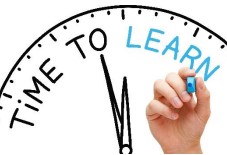
It can be very tempting to have a lazy start to the day but, if you’re able to, sticking as closely as you can to a regular routine will help your days feel structured. Setting your alarm to go off at the same time each day and creating a daily structure featuring work, breaks and workouts can help to establish a routine to make sure you are doing things when you’re most up for them, and this will really benefit your mental and physical health. Once a pattern is set, you will find it easier to get started and use your time efficiently. On days that you don’t have homework or tests to prepare for, keep the routine by doing a little revision or practice questions. Your routine will vary day to day with other commitments but keeping work time as consistent as you can will make a huge difference.
Work is important, but so is downtime. If you have a time of day or periods in the day where you feel you can work best, this must be balanced with things which aren’t work. Taking breaks and time out will balance the harder work and make you much more productive when you need to go back to it. It’s whatever works for you – listen to music, meet friends, do some exercise, watch something completely different. It is crucial that we all take care of ourselves and each other. Thinking about the year ahead, try to anticipate things that will stretch you and stress you so you can prepare for them. With a new term coming up, now is a good time to start thinking about ways of attending to your own individual needs. What’s your best way to relax and escape? Life is mostly busy but things
to do will always be there to come back to – how do you make sure you get the time out that you need? Make sure you have things to do that aren’t school work and commit to doing them as regularly as you can in the weeks and months ahead.

Best places and spaces. Have you found the place where you feel you get the most done? This is both mental and physical. Is it at home alone, in study spaces in school, with friends in other places or in the school or local library? If you can find a place where you can be productive without too many distractions, you are really on to something. For those distractions, try to minimise them as much as you can – especially during your set work times.
How do you steer clear of screens or find quiet (or noisy, if that’s what you like) places where you can focus. Can you switch notifications off for half an hour or forty minutes to give you a spell uninterrupted? Does music help? It all sounds very organised but ten minutes thinking about your ideal place and space to focus can make a big difference when you have things to be getting on with.
A quick review. When thinking about what’s coming up, it could be a good time to do a review of the courses you have completed. This is a useful way to take confidence from all of the ground you have already covered and in how much you have learned already.
Look ahead. Whether you have your exam results or not, have a think about what lies ahead for you in the new term. What subjects have you picked? Which ones are you looking forward to most? Which do you feel you are good or not so good at? This can be a helpful way to mentally prepare for which subjects come to you more easily or to tackle those that stretch you further. Get a sense of what you will be learning in your new courses. No need to start studying just yet – just get a feel for what’s coming up! On a similar theme, is there anything hanging over you from last term that makes you feel a little anxious? Maybe it was working across lots of different subjects, lots of deadlines or certain subjects that had you struggling? Now is a good time to remember that these are memories! Physics might not have been much fun or final marks in French not as good as expected but it is done. A new term lies ahead and it is up to you to decide on your mindset to deal with it.
Set specific goals. Ask yourself one very important question – realistically, what do you hope to achieve in the year ahead? If it is straight As you are after, good habits need to start early and be worked to all year as best you can. Speak to your parents and teachers about everything you can do to make it happen. If you know what marks you need and think you can achieve them without your foot to the floor all year, think about other things you can do to make the most of your time when not studying. It might be a part time job or more time exercising or with your friends. Or just taking things a bit easier!
Set specific goals. Ask yourself one very important question – realistically, what do you hope to achieve in the year ahead? If it is straight As you are after, good habits need to start early and be worked to all year as best you can. Speak to your parents and teachers about everything you can do to make it happen. If you know what marks you need and think you can achieve them without your foot to the floor all year, think about other things you can do to make the most of your time when not studying. It might be a part time job or more time exercising or with your friends. Or just taking things a bit easier!

Make sure you have what you need. Make sure you have your essentials for the year ahead – stationery, books and all other kit. Get plenty of the things that help you along the way so you have a lasting supply and aren’t stuck. There are lots of great offers in the run up to going back to school so keep an eye out for them!
Make time to do the things you love. Hey, this might be maths and, if so – get stuck in! If not, be sure to balance all of your efforts in the year ahead. Whatever gets you out of yourself and away from it all. And look after yourself too – eat well, exercise if you enjoy it, get plenty of rest, see your friends and do plenty of other things that give you joy. Here are some links to have a look at for some useful resources that may help a bit more:
Time Management Techniques – Young Scot
How to Get Confident and Stay that Way! – Young Scot
Tammy’s Techniques – Young Scot
TOP TEN TIPS TO ACTIVE LIVING – DRAFT TL v3 (samh.org.uk)
We hope that you all have a fantastic start to the new term, and are wishing you the very best of luck in your studies!




 Bright Red Publishing Blog